

How do location and infrastructure affect real estate in Guwahati property value? Simply put — they are the two most decisive factors in whether a property gains value over time or stagnates. Every rupee invested in the right location, near the right infrastructure, and compounds. Every rupee invested without understanding these factors is a gamble.
Guwahati is no longer a slow-moving regional market. Real estate in Guwahati has recorded some of the most significant price appreciation in Northeast India over the past decade — driven not by speculation, but by real infrastructure investment, planning decisions by GMDA, and the city’s expanding role as the gateway to the Northeast. For a buyer or investor considering property in Guwahati today, understanding these forces is not optional — it is the foundation of a sound decision.
This guide breaks down exactly what drives property value in Guwahati, what the data says, what you must verify before committing, and why Guwahati properties in strategically located, RERA-registered projects represent one of the most credible residential investment opportunities in the region right now.
The numbers tell a clear story. Real estate in Guwahati has seen property prices surge approximately 95% between 2013 and Q4 2023, reaching an average of ₹5,000 per sq ft across the city. In premium corridors like Beltola, Khanapara, and Dispur, average rates now range between ₹5,500 and ₹6,800 per sq ft. Beltola alone has seen a 33.3% appreciation in just three years — with 7.1% growth recorded in the last year alone.

This growth is not uniform. The areas that have appreciated most are directly connected to infrastructure upgrades — road widening, institutional expansion, and proximity to the planned metro corridors. Understanding this relationship is what separates an informed buyer from one who picks a project based on a glossy brochure alone.
Location in Guwahati is not just about address — it is about access. Access to employment zones, schools, hospitals, commercial corridors, and national highways determines both the daily livability of a home and its long-term appreciation potential. In real estate in Guwahati, the premium is not for the flat alone — it is for what surrounds it.
The city’s most established residential corridors consistently outperform less-connected areas because they sit at the intersection of multiple demand drivers. Beltola, for instance, is adjacent to Khanapara, Six Mile, and Dispur — three of the city’s highest-demand zones — while sitting directly on the National Highway 27 (Bishnu Rabha Path) spine. This multi-directional connectivity is rare, and the market prices it accordingly.
| Location | 3-Year Appreciation | Key Driver | Metro Proximity |
|---|---|---|---|
| Dispur / GNB Road | Strong | Government hub, city centre | Moderate |
| Khanapara / RG Baruah Rd | +20.4% | NH corridor, Meghalaya border | High — corridor planned |
| Beltola / Beltola Tiniali | +33.3% | NH-27, hospitals, schools | ~3 km from Khanapara corridor |
| Dharapur | +26.2% | Airport proximity, premium housing | Phase 1 corridor planned |
| Garchuk / Narengi | +25% | Airport, developing zone | Corridor extended to airport |
| Lokhra / Odalbakra | Growing | Emerging residential, affordability | Limited currently |
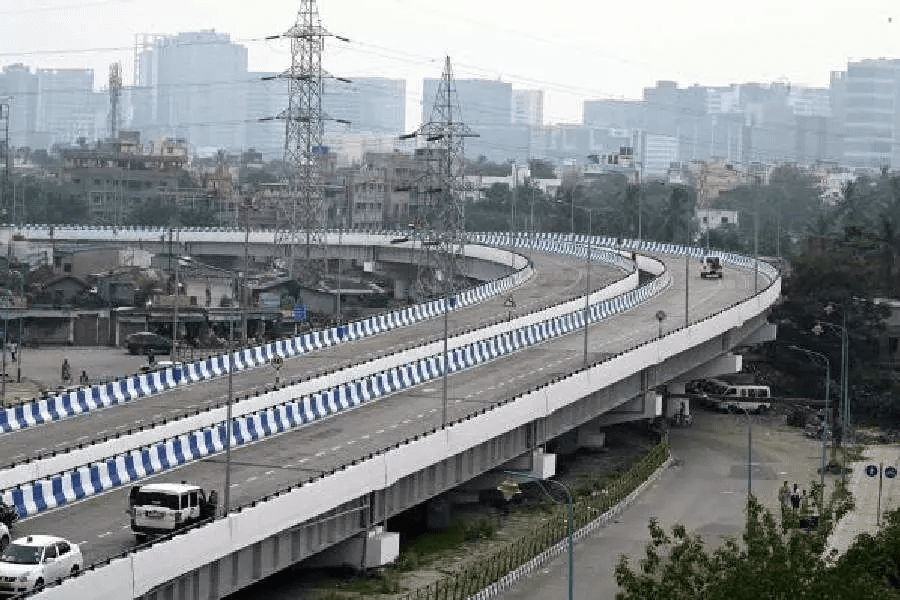
Infrastructure does not just make a city more livable — it directly reprices property. When a road widens, a flyover opens, or a metro station is confirmed nearby, the property values in the surrounding radius typically move before the infrastructure is even complete. Buyers who understand this dynamic invest ahead of the curve. Those who don’t pay the premium after it’s already priced in.
Guwahati has several infrastructure catalysts currently in motion that are directly relevant to Guwahati properties:
Market growth and infrastructure momentum mean nothing if the property you buy is not legally sound. This is where planning compliance and RERA registration become non-negotiable — not just recommended best practice. Every credible Guwahati property sale must be verifiable against a checklist before you sign anything.
RERA (Real Estate Regulation and Development Act, 2016) is mandatory in Assam for all residential projects exceeding 500 sq metres or 8 apartments. RERA Assam requires developers to publicly register project details — floor plans, legal clearances, completion timelines, and financial arrangements — on the official portal. This is your primary verification tool as a buyer.
What RERA Protects You From
Under RERA Assam, a developer cannot advertise or sell a unit without first registering the project. This protects buyers from fraudulent projects, possession delays, and specification changes after booking. Always verify a project’s RERA registration number on the official Assam RERA portal before committing funds.
✓ RERA Registration — Verify the project number on the Assam RERA portal. Confirm project details match what’s being marketed.
✓ Title Deed & Land Ownership — Confirm clear title. Check 30 years of ownership chain. No disputes, liens, or unresolved claims.
✓ Encumbrance Certificate — Ensures the property is free from loans or legal liabilities before purchase.
✓ Municipal & GMDA Approvals — Building plan sanctions, environmental clearance, land use permissions — all must be in place.
✓ Builder Track Record — Review completed projects. Check for possession delays, quality complaints, or legal disputes on public record.
✓ Location & Connectivity Audit — Visit at different times of day. Assess proximity to NH, schools, hospitals, and planned infrastructure.
✓ Vastu & Structural Layout — Confirm the floor plan makes efficient use of space. Check orientation, ventilation, and common area access.
✓ Occupancy & Completion Certificates — For ready-to-move units, OC is mandatory. OC-verified flats are also GST-exempt on resale.
Ridhi Sidhi Group: Ridhi Sidhi Residency carries RERA registration number RERAA KM 56 — publicly verifiable on the Assam RERA portal. The group positions all its projects as legally verified, Vastu-compliant, and financially transparent — meaning a buyer’s checklist on any Ridhi Sidhi project is a significantly shorter exercise than with unregistered developers.
Price appreciation in real estate in Guwahati is not driven by sentiment — it is driven by fundamentals. Urbanisation is accelerating. The city’s population is growing, household formations are rising, and the supply of quality residential stock in premium locations has not kept pace with demand. This supply-demand imbalance, compounded by infrastructure investment, is what creates sustained appreciation.
For buyers evaluating Guwahati properties, the key insight is this: the compounding effect of a strategically chosen location means that a property bought in the right corridor today will not just hold value — it will grow meaningfully over a 7–10 year hold period. Areas like Beltola have already shown 60% appreciation over the last decade. Areas like Dharapur and Khanapara, which are now receiving infrastructure attention, are in the earlier stages of that same curve.
Everything discussed in this guide — location quality, infrastructure proximity, legal compliance, and long-term value — is the framework within which Ridhi Sidhi Group has made every project placement decision. Their flagship ongoing project, Ridhi Sidhi Residency at Beltola Tiniali, embodies this approach: positioned 100 metres from the Beltola Tiniali commercial corridor, on the NH-27 spine, within walking distance of Sri Sankardeva Nethralaya, GNRC, Downtown Hospital, and the Administrative Staff College — and registered under RERA number RERAA KM 56.
Ridhi Sidhi Residency offers 2, 3, and 4 BHK apartments and penthouses across 82 units on 11 floors — designed with 270° open flats, 70% open area and greenery, an all-weather swimming pool, fully equipped gym, multipurpose clubhouse, children’s play area, 24×7 CCTV, 24×7 centralized hot water facility, centralized ultrafiltration drinking water system, and 100% power backup (within the flats as well). This is not just a premium lifestyle offering — it is a property in a location where the infrastructure tailwinds are already blowing.
Ridhi Sidhi Group’s complete project portfolio reflects a consistent strategy of location intelligence:
| Status | Project | Details | Highlights |
|---|---|---|---|
| Completed | Ridhi Sidhi Height | 68 apartments · 11 floors · Beltola Tiniali | International standards |
| Completed | Ridhi Sidhi Towers | 56 apartments · 7 floors · B+G+7 | Landmark completed project |
| Ongoing | Ridhi Sidhi Residency | 2/3/4 BHK + Penthouses · 82 apartments · B+G+11 | RERA KM 56 · Beltola Tiniali |
Schedule a Visit to Ridhi Sidhi Residency: ridhisidhigroup.com/schedule-a-visit
The single most important insight for anyone considering Guwahati property sale today is this: the difference between a property that quietly appreciates and one that doesn’t is almost always traceable to location quality and infrastructure proximity — not to the interiors, the amenities, or even the price at purchase. Those factors matter, but they don’t compound the way location does.
Guwahati is still in the growth phase of its real estate cycle. The metro is planned. The bypass is being widened. The metropolitan region is expanding. Institutional investment is flowing in. The buyers who act on data rather than impulse — who verify RERA registrations, assess location connectivity, and understand infrastructure timelines — will be the ones who look back at 2025 as the right moment to have committed.
For real estate in Guwahati buyers, the checklist is clear, the data is available, and the projects built on sound location principles are identifiable. The rest is a decision. Make it an informed one.
Location is the single most influential factor in property in Guwahati pricing. Properties in corridors with strong road connectivity, proximity to NH-27, institutional density (hospitals, schools, government offices), and access to commercial zones consistently command higher prices and appreciate faster. In Guwahati, areas like Beltola, Khanapara, and Dispur have outperformed less-connected zones by 10–15% annually over the last three years, precisely because of these location advantages. Buyers should evaluate a property’s address not just by the neighbourhood name, but by what is accessible within a 3–5 km radius and how that access is likely to improve over the next 5–7 years.
Infrastructure directly reprices Guwahati properties — often before projects are even complete. When a metro corridor is confirmed, a flyover is announced, or a bypass is widened, the areas in proximity typically see property values move upward in anticipation. Guwahati’s planned Jalukbari–Khanapara metro corridor, the 6-lane bypass conversion, the GMDA metropolitan expansion, and the Downtown Hospital flyover are all active infrastructure catalysts that are expected to push values higher in the Beltola, Khanapara, and Fatasil micro-markets over the coming years. Investors who understand this dynamic buy before the infrastructure is complete, not after.
Before committing to any Guwahati property sale, verify eight essentials: RERA registration on the Assam RERA portal, clear title deed with 30 years of ownership chain, a clean encumbrance certificate, all GMDA and municipal building approvals, the builder’s track record on completed projects, the location’s connectivity and infrastructure pipeline, the Vastu and structural layout of the specific unit, and the occupancy or completion certificate status for ready-to-move properties. RERA registration is non-negotiable in Assam — it is mandatory for all projects over 500 sq metres or 8 apartments, and it is your primary protection against fraud, delays, and specification changes after booking.
Real estate growth in Guwahati impacts property value through a compounding mechanism: urbanisation increases housing demand, infrastructure investment improves connectivity and livability, commercial growth creates employment proximity, and the resulting demand pressure pushes prices upward across well-located corridors. Beltola has demonstrated 60% appreciation over 10 years and 33.3% over just 3 years — both driven by this compounding effect. For buyers, the implication is that selecting a property in a growth corridor during the early-to-mid phase of appreciation is significantly more rewarding than entering after the growth is already widely recognised and priced in.